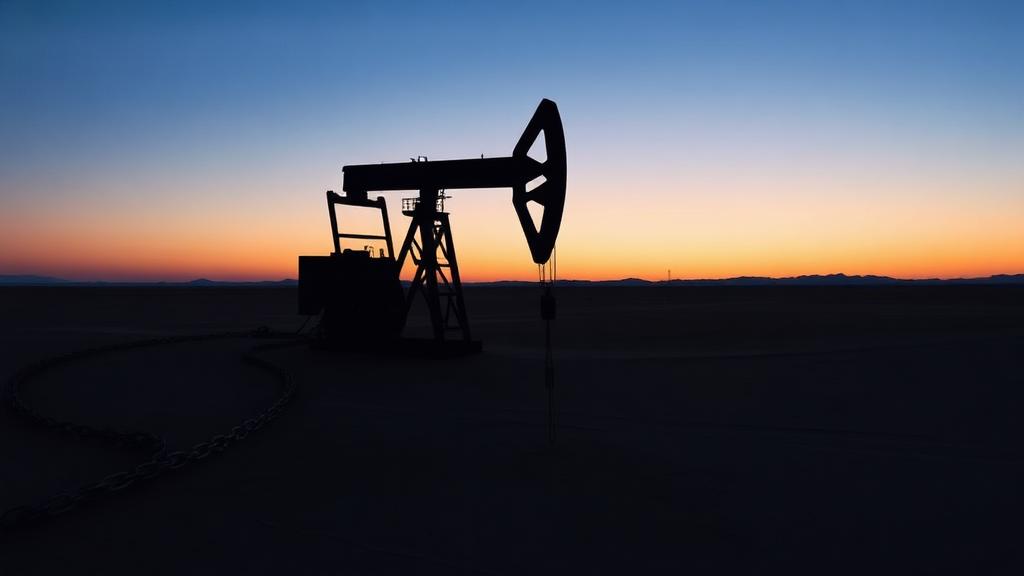
Marco Rubio defended the US-Venezuela oil agreement on September 2, 2025.
Rubio stated the deal ensures the US, not China, Russia, or Iran, has a position with the largest oil producer in the hemisphere.
He described the world as 'a risky place' and stressed the need for long-term strategic thinking.
Rubio acknowledged that foreign policy decisions often involve choosing between less-than-ideal options.
Source ecology
La Patilla · exile media · reliability C
Strongly anti-Maduro, opposition-aligned — Alberto Federico Ravell
- Clickbait tendencies
- Mixes opinion with news frequently
- Can amplify unverified rumors
Marco Rubio's September 2, 2025 defense of the US-Venezuela oil agreement, as reported by La Patilla, frames the deal as a strategic move to secure US access to Venezuelan oil, thereby preempting Chinese, Russian, or Iranian influence in the hemisphere. This claim, however, lacks corroboration in our corpus (evidence_count: 0), making it an assertion by Rubio rather than an independently verified fact. The source, La Patilla, is an exile media outlet with a strong anti-Maduro stance and a reliability rating of C, which suggests that its reporting may be colored by political bias and a tendency to amplify unverified rumors. Consequently, while the statement reflects a plausible geopolitical rationale, its epistemic status is weak, and it should be treated as an opinion or policy justification rather than an established fact.
Rubio's characterization of the world as 'a risky place' and his call for long-term strategic thinking (also uncorroborated) align with the broader US foreign policy discourse on energy security and great-power competition. The deal itself, which has been corroborated by 15 pieces of evidence, indicates a tangible US-Venezuela engagement, but the strategic framing provided by Rubio is an interpretation that may serve domestic political purposes or signal US intentions. Given La Patilla's alignment, the report may emphasize the anti-China/Russia/Iran angle to appeal to opposition audiences, but without independent confirmation, these claims remain speculative. The profile of the source suggests that readers should weigh the information cautiously, recognizing potential bias and the mixing of news with opinion.
To strengthen or refute Rubio's strategic rationale, observable indicators within the next 90 days would be critical. If US oil imports from Venezuela do not maintain or expand, the long-term security framing would be weakened, suggesting the deal might be more transactional or politically motivated. Conversely, if China, Russia, or Iran sign a major oil agreement with Venezuela, it would directly contradict Rubio's claim of US securing the position. Monitoring US Energy Information Administration (EIA) import data and international news wires would provide empirical evidence to assess the validity of these assertions. Until such data emerges, the strategic significance of the deal remains an open question, and Rubio's statements should be viewed as policy advocacy rather than confirmed reality.
The claims, made testable
- matches in our corpus (not independent) Marco Rubio defended the US-Venezuela oil agreement on September 2, 2025.
- asserted — check unavailable Rubio stated the deal ensures the US, not China, Russia, or Iran, has a position with the largest oil producer in the hemisphere. (evidence: not measured)
- asserted — check unavailable He described the world as 'a risky place' and stressed the need for long-term strategic thinking. (evidence: not measured)
Pattern: 147 related Venezuela signals in the last 30 days on US-Venezuela oil deal, Energy security, Geopolitical strategy, US foreign policy.
What would change the assessment
- If the US does not maintain or expand its oil imports from Venezuela within the next 90 days, the strategic framing of the deal as a long-term security measure would be weakened. (within 90 days — US Energy Information Administration (EIA) import data)
- If China, Russia, or Iran sign a major oil agreement with Venezuela within the next 90 days, contradicting Rubio's claim of US securing the position. (within 90 days — Reuters or international news wires)
Grounded analysis — deterministic intelligence + AI synthesis anchored to real signals (deterministic + anchored deepseek-chat). No fact is asserted that the sources do not support.
What the sources establish
- Marco Rubio defended the US-Venezuela oil agreement on September 2, 2025.
Actors named in sources
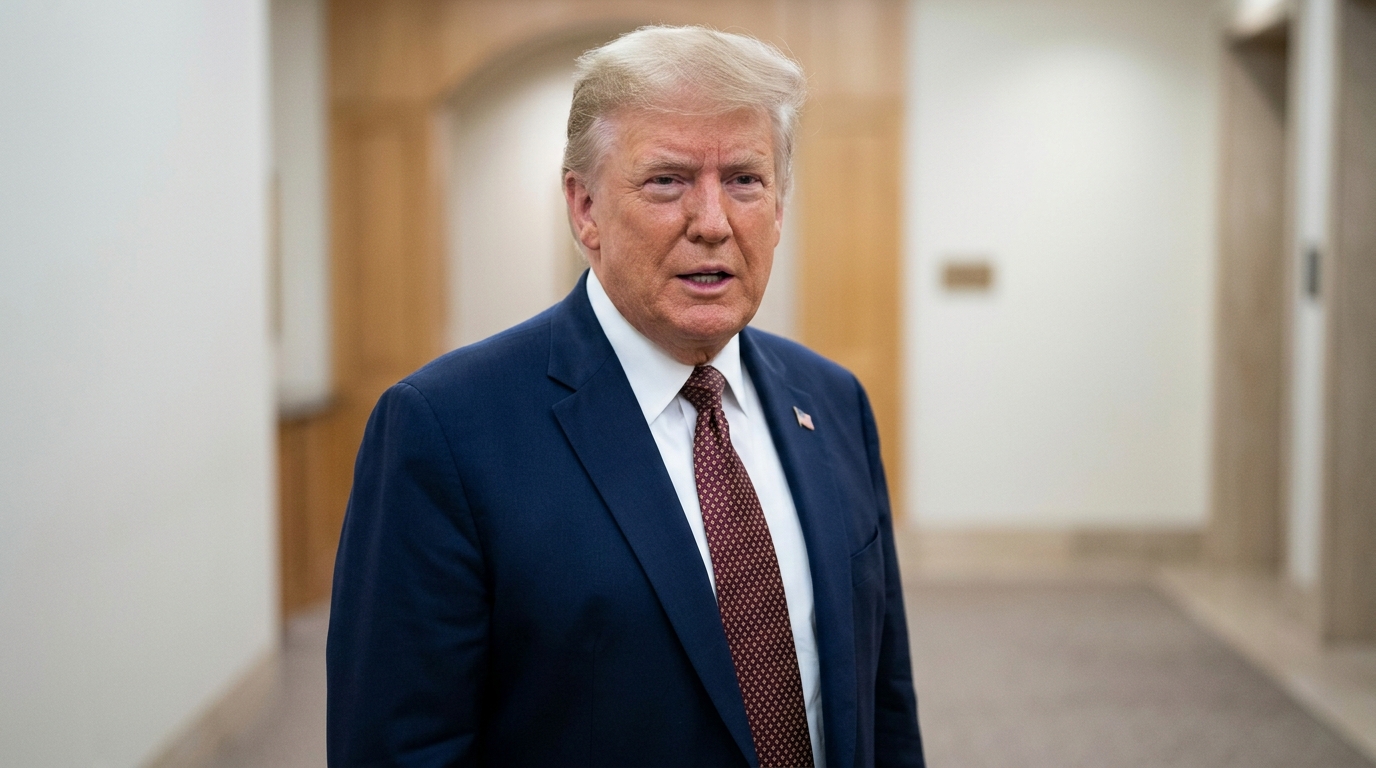
Marco Rubio · Delcy Rodríguez · Donald Trump
Click an actor to see other briefs that name it.
What's still unverified
- Everything above is one outlet's account; none of it has been independently corroborated yet.
AI-assisted synthesis anchored to a real VeraVadis-analyzed source. Cleared by VeraVadis's automated editorial gates on 2026-09-09 — not reviewed by a human editor. Archive piece: published under our earlier method. It does not carry the per-claim evidence chain — who reported it first and who is echoing whom — that our current pieces carry. The source link and the date are the original ones.